






Urban Mine on Wheels: How Everyday Mobility Is Driving the Future of Metal Recycling
Have we ever stopped to think about what the transportation we use every day is made of, in the most fundamental sense? We tend to see an airplane crossing the sky, a subway train pulling into a station, or a car parked outside as triumphs of contemporary design and engineering. Yet beneath that polished surface lies a fascinating and largely invisible reality: every vehicle is, in essence, a transformed mountain. Almost everything that moves us by land, air, or rail is the result of geological and mining resources set in motion.
The anatomy of a passenger aircraft is particularly revealing. Its lightweight, high-strength fuselage and wings exist thanks to aluminum and titanium, derived from minerals such as bauxite, ilmenite, and rutile. Its engines, capable of operating at temperatures that would melt ordinary steel, require alloys of nickel, cobalt, and chromium extracted from ores such as pentlandite, cobaltite, and chromite. Deep inside the aircraft, miles of copper wiring ensure electrical conductivity, while avionics and microchips rely on gold, silver, and tin for high-precision soldering. Even the windows originate from quartz-rich sands, while the tires combine rubber with steel and silica reinforcement to withstand landings at hundreds of miles per hour.
This “mobile geology” is repeated throughout every corner of our urban routine. When we board a train or subway, rails, wheels, and traction systems require steel strengthened with iron derived from magnetite and hematite. In buses and private automobiles, the list of components expands to include copper windings, specialized metal catalysts, and, in the case of electric mobility, lithium, cobalt, and nickel cells. Ultimately, cities move on geological resources.
But as demand continues to grow relentlessly and the need to protect our environment becomes increasingly urgent, an important question emerges: does it make sense to continue relying exclusively on virgin extraction from the Earth's crust when millions of tons of these same minerals are already among us and risk ending up forgotten in landfills?
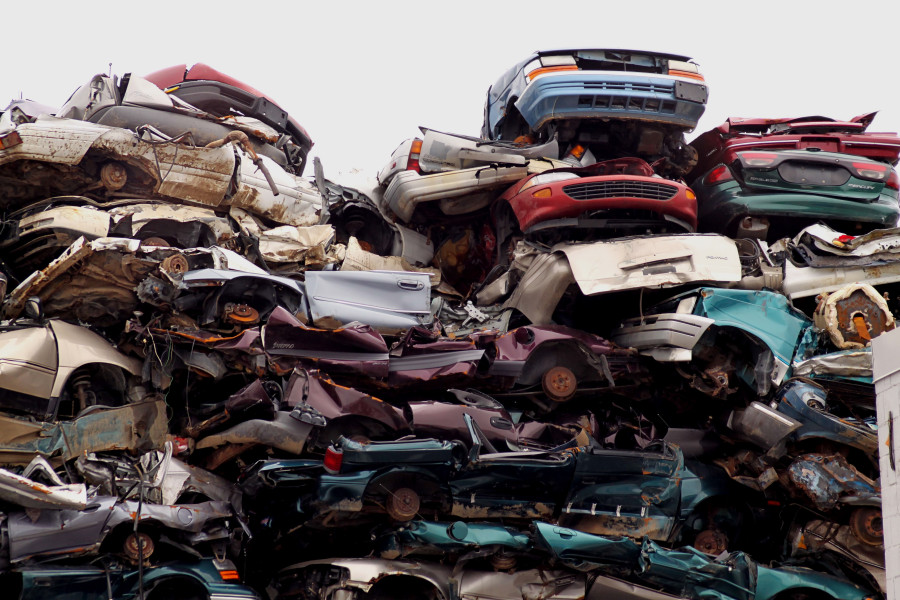
At this point, the traditional model must give way to the circular economy. End-of-life vehicles, discarded electronic components, and manufacturing leftovers are not waste. They are a genuine “urban mine.” Proper recovery and management of electronic scrap makes it possible to reclaim high-value metals such as copper, tin, gold, and aluminum without degrading new ecosystems, while dramatically reducing energy consumption compared with primary mining. Recovering these resources is a direct way to protect the environment and bring greater sustainability to the entire production chain.
At Urban Resources, we help companies make this evolutionary leap by providing comprehensive solutions to recover value from electronic scrap, reclaim critical metals under the highest environmental standards, and build a truly circular economy model. Turn your discarded materials into productive value and join the urban mining movement that protects the planet’s resources. Contact us and let’s build a smarter, cleaner, and more efficient approach to industrial resource management together.