






Copper Returning to the Field for Agribusiness
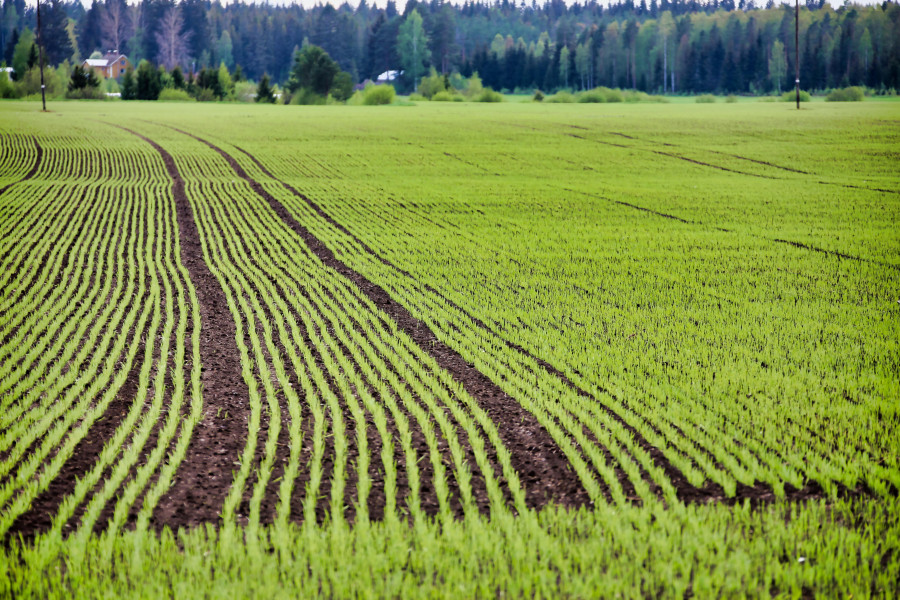
When recycling in agribusiness is discussed, attention is usually focused on plastic packaging, organic waste, or water reuse. However, there is another process of significant environmental and economic value that is gaining relevance worldwide: the recovery of copper contained in fungicides and bactericides used to protect crops. This practice combines innovation, circular economy principles, and the efficient use of strategic resources essential for agricultural production.
Fungicides are products designed to prevent or control diseases caused by fungi that affect crop growth and yields. Bactericides, on the other hand, target bacteria capable of causing production and economic losses in fruits, vegetables, cereals, and regional crops. In both cases, many formulations contain copper due to its well-known ability to inhibit the development of pathogenic microorganisms.
For this reason, compounds such as copper sulfate, copper oxychloride, cuprous oxide, and copper hydroxide are key components in numerous crop protection solutions used by agricultural producers around the world. Copper plays an essential role: when released onto plant surfaces, it interferes with critical biological processes in fungi and bacteria, helping maintain crop health and protect production costs.
Copper recovery begins with the collection and sorting of materials. Various physicochemical technologies are then applied, including controlled dissolution systems, filtration, impurity separation, chemical precipitation, and pH adjustment. Through these processes, it is possible to recover the copper contained in the original products and transform it once again into high-quality copper hydroxide.
The recovered copper hydroxide can be reused as a raw material for manufacturing new agricultural fungicides and bactericides, thereby closing the production loop and turning waste back into a valuable resource. It can also be used in the production of other chemical compounds required by a variety of industries.
In Argentina, the importance of these initiatives is particularly significant. Agribusiness remains one of the country?s primary sources of foreign exchange earnings. According to various industry reports, agricultural value chains account for more than half of Argentina?s exports and generate tens of billions of dollars annually. At the same time, copper is emerging as one of the minerals with the greatest growth potential over the next decade, driven by global demand associated with the energy transition.
Sustainability can no longer be viewed as an additional cost, but rather as an investment that enhances competitiveness, optimizes resources, and strengthens the social license of productive activities. In a country where agriculture plays a central role in the economy, advancing toward circular economy models represents a tangible opportunity to create value while protecting the environment.
Along this path, Urban Resources positions itself as a strategic partner for companies committed to responsible waste management. With proven experience, dedicated infrastructure, and industrial capabilities to process, manage, and recycle these materials, transforming environmental liabilities into new productive resources is an essential opportunity. Choosing Urban Resources means supporting a more efficient, more sustainable agribusiness sector that is prepared for the challenges of the future.