






Argentina Mining 2026: Capital, Financing, and an Opportunity That Demands Local Strategy
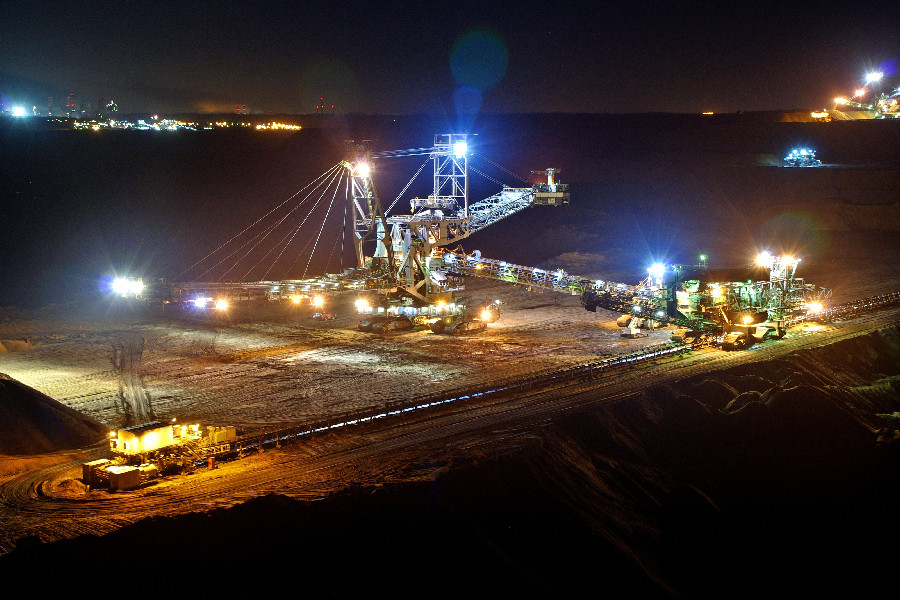
Argentina´s mining industry is going through one of the most dynamic periods in recent decades, and the recent International San Juan Mining Expo 2026 confirmed that the sector has become a concrete business platform. The key issue today is no longer simply the existence of natural resources, but the ability to turn projects into profitable operations. In that context, tools such as credit lines, heavy equipment leasing, technical insurance, financial structuring, and foreign trade services have become decisive.
For companies seeking to enter the industry, having financed equipment, importing critical technology, or securing international logistics can accelerate productive development by years. That was one of the main conclusions emerging from San Juan: mining competitiveness depends as much on the deposit itself as on the financial engineering supporting it.
Another symbolic and strategic milestone was the opening of the Toronto Stock Exchange trading session during the exhibition. This was not merely a ceremonial act. The Canadian market is one of the world´s leading financing hubs for mining exploration and development. San Juan´s central role in that event sent a clear signal to international markets: Argentina wants to compete in the major leagues of mining capital.
The numbers support that shift in perception. Different industry sources point out that the current incentive regime has attracted more than USD 33.876 billion in project investments in just 18 months, a figure that Chilean industry leaders compared to an entire decade of new investments in their own country. At the same time, the national government projects that mining exports could multiply over the next ten years, driven mainly by copper and lithium.
However, this new mining cycle requires higher standards. Global investors are increasingly focused on ESG criteria (environmental, social, and governance). Having mineral reserves is no longer enough. Investors now evaluate water usage, community relations, corporate transparency, and operational traceability. Companies that fail to incorporate these standards risk being excluded from international financing.
Another key conclusion is that mining requires institutional continuity. The scale of these projects demands long-term state policies, tax predictability, legal certainty, and sustained logistics infrastructure. Without strategic agreements between the federal government, provinces, and the private sector, much of the potential could dissipate. Humans love discovering trillion-dollar opportunities and then sabotaging them with bureaucracy and political improvisation. A regional tradition, really.
In this environment of growing opportunities, entering the market without local expertise can be costly. Provincial regulations, environmental permits, corporate structuring, supplier networks, and operational geography all require practical experience. This is where LR Strategic Mining becomes especially valuable: a firm prepared to support new investors, organize risks, and transform opportunities into viable businesses. In an accelerating Argentine mining industry, the best investment begins with the right advisory partner.