






More Sustainable Laboratories: The Hidden Value of Urban Mining
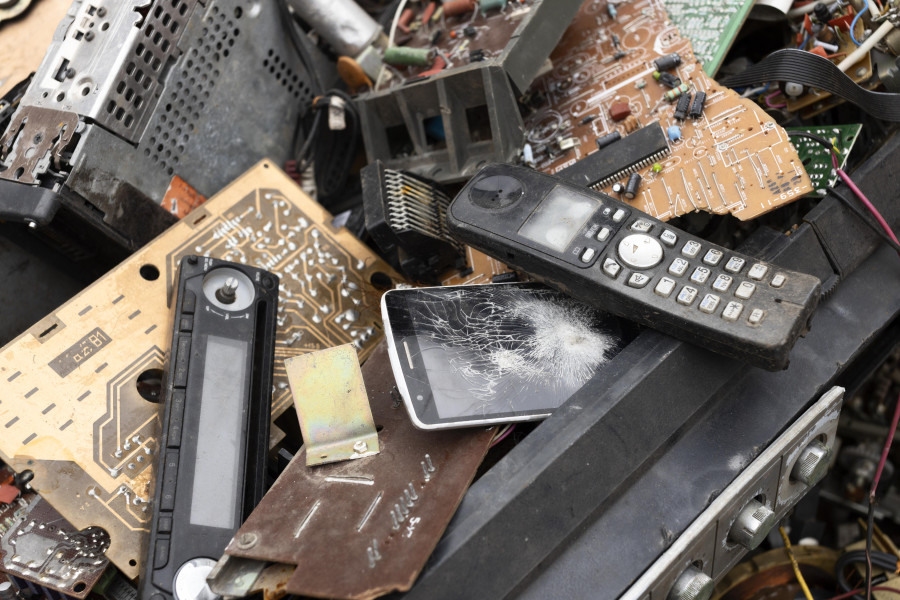
Industrial sectors such as automotive, electronics, construction, energy, healthcare, and fine chemicals are already looking to urban mining as a strategic source of inputs. The reason is simple: old cell phones, obsolete computers, cables, batteries, electronic boards, and industrial scrap contain valuable materials that can re-enter the production cycle. What once ended up in landfills can now be transformed into raw materials with economic value and lower environmental impact. In this paradigm shift, however, the chemical industry and laboratories have a concrete opportunity.
Urban mining consists of recovering metals, plastics, and useful compounds contained in urban waste, especially WEEE: Waste Electrical and Electronic Equipment. On average, a stream of technological scrap can contain between 30% and 60% recoverable materials, including ferrous metals, copper, aluminum, engineering plastics, and precious fractions, depending on the type of waste. In large cities such as Buenos Aires, where technological consumption is high and equipment is frequently replaced, the potential grows year after year: offices, banks, hospitals, universities, and households generate tons of obsolete equipment that can be reintegrated into the circular economy.
For the pharmaceutical industry, the most relevant materials are high-purity recovered metals. Palladium, platinum, and nickel are key catalysts in organic synthesis, used to accelerate reactions without being fully consumed. Palladium, for example, is central to coupling reactions used to manufacture modern active pharmaceutical ingredients. Platinum is involved in selective hydrogenations and high-demand fine processes. Nickel and copper are also used in more cost-effective and scalable chemical transformations. Recovered silver can be used in reagents, antimicrobial coatings, and medical applications. Gold, beyond its commercial value, is being researched and used in nanotechnology applied to diagnostics and targeted drug delivery.
What types of medicines are we talking about? Antibiotics, antivirals, anti-inflammatories, cardiovascular treatments, oncological compounds, and numerous complex synthetic active ingredients. A significant portion of modern pharmaceutical chemistry depends on metal catalysts to reduce production times, improve yields, and minimize process waste. Recovering these metals from electronic waste helps sustain more secure supply chains, less exposed to international volatility.
The savings in natural resources are significant. Recycling aluminum consumes up to 95% less energy than producing it from virgin ore, while copper recycling typically saves between 80% and 85% of energy. For precious metals, the environmental advantage is even greater, as it avoids moving massive volumes of rock and using large amounts of water to obtain small quantities of material. In addition, each ton of properly treated electronic waste reduces emissions, prevents pollution, and decreases pressure on traditional extractive mining.
Urban mining is no longer a promise: it is an industrial, environmental, and economic tool available today. For companies seeking efficiency, traceability, and sustainability, the logical step is to incorporate recovered materials into their processes. Urban Resources shows that this transformation is already underway in Argentina. Joining now not only improves competitiveness, but also helps build a cleaner industry, better prepared for the future.