








Recycling Isn't More Expensive: The Data That Debunks the Myth
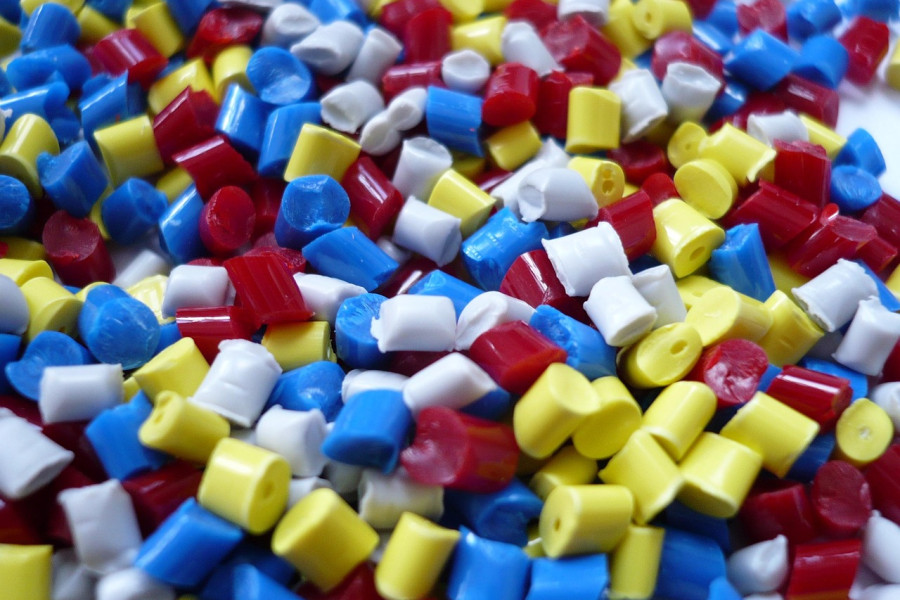
One of the most common myths about plastics is that recycling them consumes as many natural resources as producing them from scratch. But the numbers tell a very different story. Take ABS plastic (Acrylonitrile Butadiene Styrene) as an example - widely used in toys, home appliances, automotive parts, electronics, and construction materials such as sanitary pipes.
Producing one metric ton of virgin ABS requires extracting around two tons of petroleum and natural gas, as well as consuming between 80 and 100 megajoules of energy per kilogram and up to 5,000 liters of water per ton. The process releases nearly four tons of carbon dioxide into the atmosphere. In contrast, recycling ABS uses only a fraction of those resources: about 10 to 20 megajoules of energy, less than one cubic meter of water, and roughly one-tenth of the petroleum needed for original production. CO2 emissions are also reduced by up to 80%.
Far from being a pointless process, recycling plastics like ABS represents a modern form of urban mining - recovering valuable materials already in circulation and returning them to the production cycle. This helps avoid the extraction of new resources and promotes a truly circular economy.
Recycled ABS can once again serve as a raw material for industries as diverse as automotive, electronics, household appliances, construction, and consumer goods. In this way, waste becomes useful components that replace virgin raw materials, reducing both costs and environmental impact.
At Urban Resources, we understand that recycling is not just an ecological practice but a smart industrial strategy. Thanks to our national certifications and our own recyclable materials processing plant, we support companies and entrepreneurs who aim to protect the environment while driving their growth. Join the urban mining movement with Urban Resources - and turn your waste into resources.